


Eighteen months from now, citizens will vote for president. If the 2004 campaign is anything like the last one, the election returns will mark the culmination of a depressing media spectacle.
For news watchers, the candidates and the coverage can be hard to take. Appearances on television are apt to become tedious, nauseating or worse. Campaign ads often push the limits of slick pandering. Journalists routinely seem fixated on “horseracing” the contest instead of reporting about the huge financial interests that candidates have served.
Media-driven campaigns now dominate every presidential race, badly skewed in favor of big money. And while millions of progressive-minded Americans are eager to have an impact on the political process, they often face what appears to be a choice between severe compromise and marginalization.
Remarkable transitions occur during presidential campaigns. People who are usually forthright can become evasive or even downright dishonest — in public anyway — when they declare themselves to be fervent supporters of a particular contender. Nuances and mixed assessments tend to go out the window.
Too often, “supporting” a candidate means lying about the candidate. Flaws rapidly disappear; virtues suddenly appear. Replicated at the grassroots, some kind of PR alchemy transforms longtime opportunists into profiles in courage and timeworn corporate flacks into champions of the common people.
This sort of dissembling was a big problem in 2000, when many left-leaning supporters of Al Gore ended up straining to portray the vice president as a steadfast foe of injustice. Under the perceived rules of the media game, they could not acknowledge Gore’s sleazy aspects or the reality that he had done a lot to help move the nation’s center of political gravity to the right. In countless media debates, Gore supporters tried to promote their standard-bearer as an implacable enemy of privilege — notably unlike the actual candidate.
For a long time, many Democratic Party activists have privately bemoaned the party’s subservience to corporate power while publicly extolling Democratic leaders as exemplary. The rationale for this schizoid behavior is that it’s necessary for promoting a coherent media image.
There’s at least one big problem: For millions of potential voters, that tactic just doesn’t ring true. When they’re invited to go along with a political line that lauds nominated hacks as visionaries, a lot of people would rather not vote — or would much prefer to cast ballots for a small-party candidate who has no chance of winning but whose campaigners at least seem interested in being truthful and building an honest movement.
But what if progressive supporters of the Democratic presidential nominee tried something different next year? What if they resolved to be candid for all the world — including all the news media — to hear? The contrast would be striking.
Old mode: “Candidate X is an inspiring leader.”
New mode: “Candidate X is rather phony, but compared to President Bush he’s a knight in shining armor.”
Old mode: “The record of Candidate X shows that he will return integrity to the White House.”
New mode: “The record of Candidate X shows that he’s a craven servant of corporate America. But I’m going to vote from him because George W. Bush is even worse.”
Old mode: “Candidate X will bring balance to U.S. foreign policy.”
New mode: “Candidate X is a deplorable militarist, but Bush is even more dangerous.”
The new mode might sound a bit strange, even bizarre. But that ought to tell us something — when candor seems weird and preposterous claims seem quite normal.
Such an approach could attract many progressives who want to end the Bush presidency but also want to be truthful in the process. For those who find the Democratic nominee to be odious but not as odious as George W. Bush, a new option would emerge — what might be called “denunciatory support.”
Candor during an election year may seem like a radical departure with hazy consequences. Admittedly, it’s no guarantee of anything — except more clarity and less obfuscation in American politics.
________________
Norman Solomon is co-author of “Target Iraq: What the News Media Didn’t Tell You.” For an excerpt and other information, go to: www.contextbooks.com/new.html target

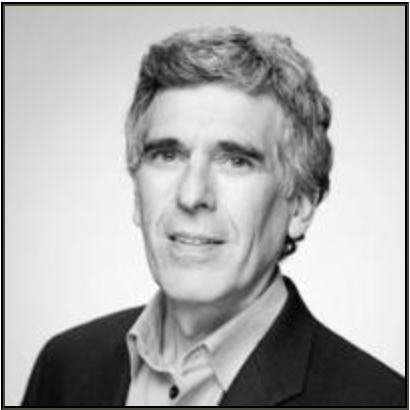
Norman Solomon is the national director of RootsAction.org and executive director of the Institute for Public Accuracy. The paperback edition of his latest book, War Made Invisible: How America Hides the Human Toll of Its Military Machine, includes an afterword about the Gaza war.




