


President Obama has taken a further plunge into the kind of war abyss that consumed predecessors named Johnson, Nixon and Bush.
On Sunday, during his first presidential trip to Afghanistan, Obama stood before thousands of American troops to proclaim the sanctity of the war effort. He played the role deftly — a commander in chief, rallying the troops — while wearing a bomber jacket.
There was something candidly macabre about the decision to wear that leather jacket, adorned with an American Eagle and the words "Air Force One." The man in the bomber jacket doesn’t press the buttons that fire the missiles and drop the warheads, but he gives the orders that make it all possible.
One way or another, we’re used to seeing presidents display such tacit accouterments of carnage.
And the president’s words were also eerily familiar: with their cadence and confidence in the efficacy of mass violence, when provided by the Pentagon and meted out by a military so technologically supreme that dissociation can masquerade as ultimate erudition — so powerful and so sophisticated that orders stay light years away from human consequences.
The war becomes its own rationale for continuing: to go on because it must go on.
A grisly counterpoint to Obama’s brief Afghanistan visit is a day in 1966 when another president, in the midst of escalating another war, also took a long ride on Air Force One to laud and boost the troops.
In South Vietnam, at Cam Ranh Bay, President Johnson told the American soldiers: "Be sure to come home with that coonskin on the wall."
Then, too, thousands of soldiers responded to the president’s exhortations by whooping it up. And then, too, the media coverage was upbeat.
In a cover story, Life quoted a corporal who called Johnson’s visit the "best morale booster Cam Ranh’s ever had."
The magazine piece, written by an eminent journalist of the era, Shana Alexander, went on: "Certainly the corporal was right and so was [White House press secretary Bill] Moyers when he later compared the day to a sermon, in that so much of the real meaning is not in what the preacher says but in what his listeners hear."
The article concluded that it had been a "wild and quite wonderful day."
Fast forward 44 years.
"There’s going to be setbacks," President Obama told the troops at Bagram Air Base. "We face a determined enemy. But we also know this: The United States of America does not quit once it starts on something."
The applause line lingered as the next words directly addressed the clapping troops: "You don’t quit, the American armed services does not quit, we keep at it, we persevere, and together with our partners we will prevail. I am absolutely confident of that."
The president added: "And we’ll be there for you when you come home. It’s why we’re improving care for our wounded warriors, especially those with PTSD and traumatic brain injuries. We’re moving forward with the post-9/11 GI Bill so you and your families can pursue your dreams."
Those words provide a kind of freeze frame for basic convolution: The government will help veterans with PTSD and traumatic brain injuries to pursue their dreams.
In the realm of careful abstraction, where actual people are rendered invisible, best not to acknowledge how much better it would be if those veterans could pursue their dreams without suffering from PTSD and traumatic brain injuries in the first place.
But such human realities are for private suffering, not public discourse.
The next morning, the front page of the New York Times reported that the president’s visit to Afghanistan "included a boisterous pep rally with American troops."
Norman Solomon is national co-chair of the Healthcare Not Warfare campaign, launched by Progressive Democrats of America. His books include "War Made Easy: How Presidents and Pundits Keep Spinning Us to Death." For more information, go to: www.normansolomon.com

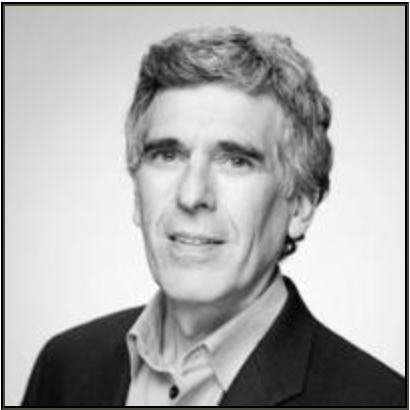
Norman Solomon is the national director of RootsAction.org and executive director of the Institute for Public Accuracy. The paperback edition of his latest book, War Made Invisible: How America Hides the Human Toll of Its Military Machine, includes an afterword about the Gaza war.




