Source: The Progressive

CBS News recently proclaimed that “kids in the U.S. and around the world are in crisis.” Self-harm among youth is on the rise, and enduring problems like bullying and sexual assault continue to wreak havoc. Young people feel the impending doom of climate change and await the day when their school is assaulted by an active shooter.   

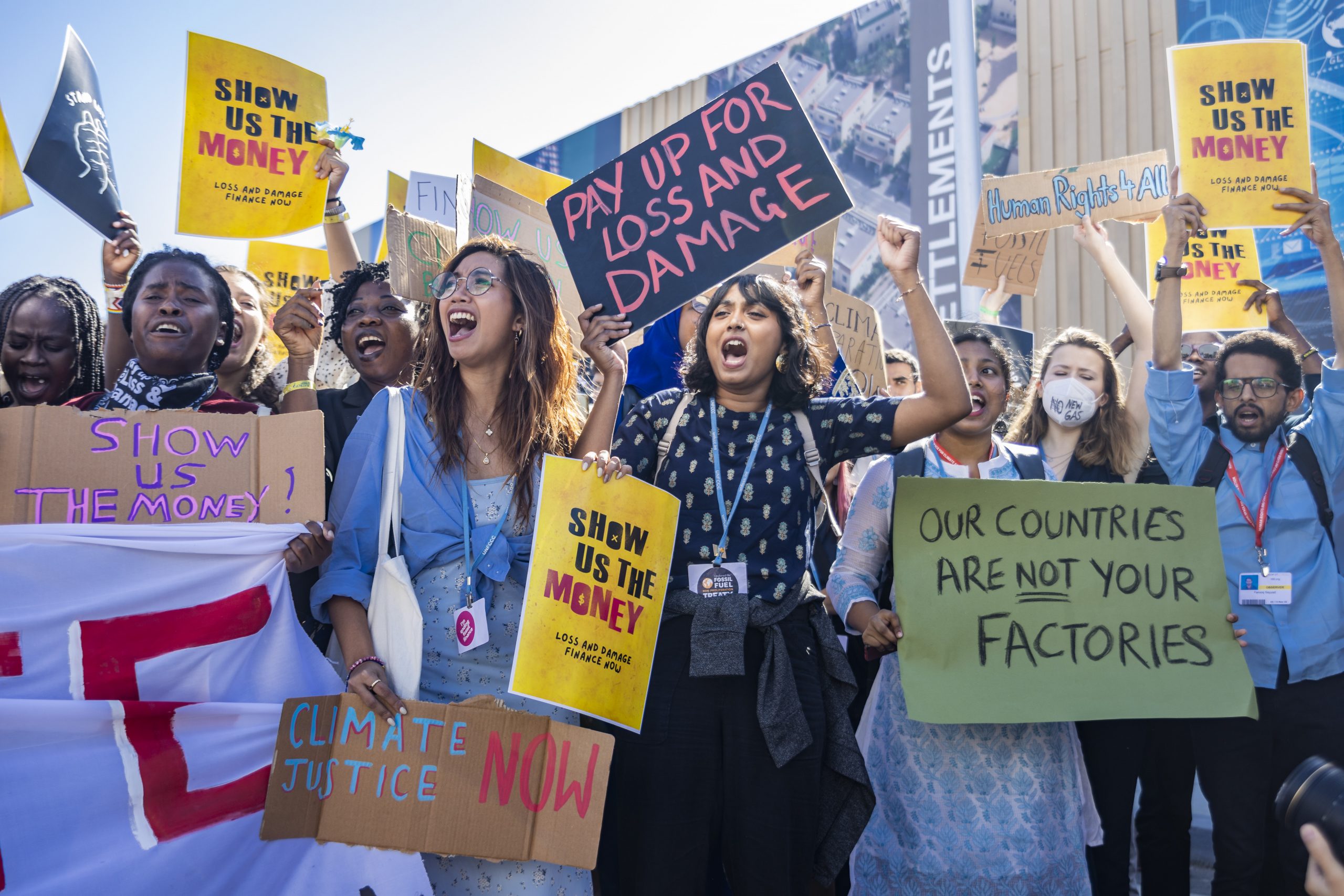
These crises are exacerbated by decisions made by adults. In Florida, local and state legislators threaten and criminalize classroom conversations about gender and race. In Mississippi, voter restrictions create barriers for young voters. And dozens of states across the country have banned or are considering bans on gender-affirming health care for trans youth. Although young people are cited as the beneficiaries of some of these decisions, they play no role in making them. It’s about time that we invite teens to the table.  

Jack Flasher coined the term “adultism” to describe adults’ attitudes and behaviors of superiority towards youth. Adultism shows up, for example, in stereotypes that young people, when left to their own devices, are reckless, short-sighted and selfish. At its most extreme, adultism can look like manipulation and abuse. How can we, as adults, address these tendencies and reconsider what young people have to offer? 

Although young people are cited as the beneficiaries of some of these decisions, they play no role in making them.

Participatory approaches turn adultism on its head by including youth in decision making with adults. They are founded on a belief that teens have the right to be present when and where their education, health and well-being are being discussed. 

In community organizing, participatory methods bring youth voices into important conversations where they are typically absent: on education, within nonprofit organizations, even with policymakers. These methods center young people’s interests and skills while acknowledging that youth are already agents of change in their communities.  

Decisions to involve youth as leaders are most often local, like a nonprofit rape crisis center that starts a youth advisory group, a university administrator that creates a peer education and support group on drug and alcohol use or a newspaper that gathers teen perspectives on the dangers of social media. But the impacts of participatory models expand beyond the local scale.  

The youth advisory group improves the reach of care and services for teen sexual violence survivors across an entire county. The peer education and support group allows hundreds of undergraduates to talk about addiction and prevention. Young people’s experiences with social media reflect a wide-reaching distaste for bans and a desire for education; this intel suggests the “solutions” presented by adults might not be as effective. 

To welcome teens to the table, adults have to reduce barriers to their participation: offer lunch, bus passes or to host meetings at safe and easily accessed locations. Compensate youth for their time and labor. And most importantly, when young people voice their ideas, concerns or questions, listen and respond with action, not defensiveness. Start today by challenging your assumptions about what young people know and what they can contribute. 

The myriad crises we collectively face demand innovative and collaborative solutions. It is time for the expertise of teens and young adults to take center stage. Our future depends on it.

This column was produced for Progressive Perspectives, a project of The Progressive magazine, and distributed by Tribune News Service.


This article was originally published by The Progressive; please consider supporting the original publication, and read the original version at the link above.

ZNetwork is funded solely through the generosity of its readers.

Donate
Donate
Leave A Reply

Subscribe

All the latest from Z, directly to your inbox.

Institute for Social and Cultural Communications, Inc. is a 501(c)3 non-profit.

Our EIN# is #22-2959506. Your donation is tax-deductible to the extent allowable by law.

We do not accept funding from advertising or corporate sponsors.  We rely on donors like you to do our work.

ZNetwork: Left News, Analysis, Vision & Strategy

Subscribe

All the latest from Z, directly to your inbox.

THE WIND CRIES FREEDOM

The Wind Cries Freedom, the new book from Z co-founder Michael Albert, is a sweeping oral history of a future American revolution.

Through thirty interconnected chapters, it draws out the strategies, failures, turning points, and hard-won wisdom of a movement that called itself the Revolutionary Participatory Society. These are not the polished memoirs of politicians: they are the unfiltered accounts of people who organized in neighborhoods, hospitals, universities, stadiums, courthouses, and places of worship, and kept a shared vision alive through cynicism and exhaustion.

The result is speculative political fiction that reads like history: messy, human, and quietly hopeful in the way that only real experience and long thought can produce.

Get your copy and peruse more features on the book’s website below.

“Read it, argue with it, but don’t look away. The future it recalls is one we must still fight to deserve.”

Yanis Varoufakis

“The most unusual and intriguing combination of prophecy, manifesto, and movement building manual that I have ever encountered.”

Bill Fletcher Junior

“This work fills a huge gap in our social movement literature.”

Cynthia Peters

You've just read your article on Z this month.

DOES Z'S SURVIVAL MATTER?

You keep coming back for a reason: serious political analysis, movement reporting, and debate beyond the priorities of corporate media. Today, Z is in a precarious financial position. If Z is part of how you understand the world, help keep it going. The readers who give monthly are the reason this work survives between fundraisers.

Z is in a precarious financial position. If it’s part of how you understand the world, help keep it going.

Number of donors713
Our goal1,000

Sustainers at $9/month or more receive the digital Z Magazine.

Already a sustainer? Click here and we won’t ask again. Thank you!

Your reading count is stored only in your browser and is never sent to us.

Sound is muted by default.  Tap 🔊 for the full experience

CRITICAL ACTION

Critical Action is a longtime friend of Z and a music and storytelling project grounded in liberation, solidarity, and resistance to authoritarian power. Through music, narrative, and multimedia, the project engages the same political realities and movement traditions that guide and motivate Z’s work.

If this project resonates with you, you can learn more about it and find ways to support the work using the link below.

Z is in the most precarious financial position in its history.

Z is a place to think beyond the limits of the present.

For decades, Z has brought together political analysis, movement reporting, debate, and visions of a different future from writers and activists around the world. That work is more than journalism. It is movement infrastructure: movements need places to develop ideas, test arguments, learn from experience, and imagine what comes next.

In the first two days of this fundraiser, 19 donors and 8 new monthly sustainers stepped up. Help us reach 1,000 donors who keep Z independent, for everyone.

For decades, Z has published the analysis, debate, and visions movements need, free of paywalls, ads, and billionaire owners. If that work should continue, Z needs your support now.

Number of donors713
Our goal1,000

Sustainers at $9/month or more receive the digital Z Magazine.

Subscribe

Join the Z Community – receive event invites, announcements, a Weekly Digest, and opportunities to engage.

Exit mobile version

