


Economics has been called the dismal science, and 2023 will vindicate that moniker. We are at the mercy of two cataclysms that are simply beyond our control. The first is the COVID-19 pandemic, which continues to threaten us with new, more deadly, contagious, or vaccine-resistant variants. The pandemic has been managed especially poorly by China, owing mainly to its failure to inoculate its citizens with more effective (Western-made) mRNA vaccines.
The second cataclysm is Russia’s war of aggression in Ukraine. The conflict shows no end in sight, and could escalate or produce even greater spillover effects. Either way, more disturbances to energy and food prices are all but assured. And, as if these problems weren’t vexing enough, there is ample reason to worry that the response from policymakers will make a bad situation worse.
Most importantly, the US Federal Reserve may raise interest rates too far and too fast. Today’s inflation is largely driven by supply shortages, some of which are already in the process of being resolved. Raising interest rates therefore might be counterproductive. It will not produce more food, oil, or gas, but it will make it more difficult to mobilize investments that would help alleviate the supply shortages.
Monetary tightening also could lead to a global slowdown. In fact, that outcome is highly anticipated, and some commentators, having convinced themselves that combating inflation requires economic pain, have been effectively cheering on the recession. The quicker and deeper, the better, they argue. They seem not to have considered that the cure may be worse than the disease.
The global tremors from the Fed’s tightening could already be felt heading into winter. The United States is engaged in a twenty-first-century beggar-thy-neighbor policy. While a stronger dollar tempers inflation in the US, it does so by weakening other currencies and increasing inflation elsewhere. To mitigate these foreign-exchange effects, even countries with weak economies are being forced to raise interest rates, which is weakening their economies further. Higher interest rates, depreciated currencies, and a global slowdown have already pushed dozens of countries to the edge of default.
Higher interest rates and energy prices will also push many firms toward bankruptcy, too. There have already been some dramatic examples of this, as with the now-nationalized German utility Uniper. And even if companies don’t seek bankruptcy protection, both firms and households will feel the stress of tighter financial and credit conditions. Not surprisingly, 14 years of ultra-low interest rates have left many countries, firms, and households overindebted.
The past year’s massive changes in interest rates and exchange rates imply multiple hidden risks – as demonstrated by the near-collapse of British pension funds in late September and early October. Mismatches of maturities and exchange rates are a hallmark of under-regulated economies, and they have become even more prevalent with the growth of non-transparent derivatives.
These economic travails will, of course, fall hardest on the most vulnerable countries, providing even more fertile ground for populist demagogues to sow the seeds of resentment and discontent. There was a global sigh of relief when Luiz Inácio Lula da Silva defeated Jair Bolsonaro in Brazil’s presidential election. But let us not forget that Bolsonaro got almost 50% of the votes and still controls Brazil’s Congress.
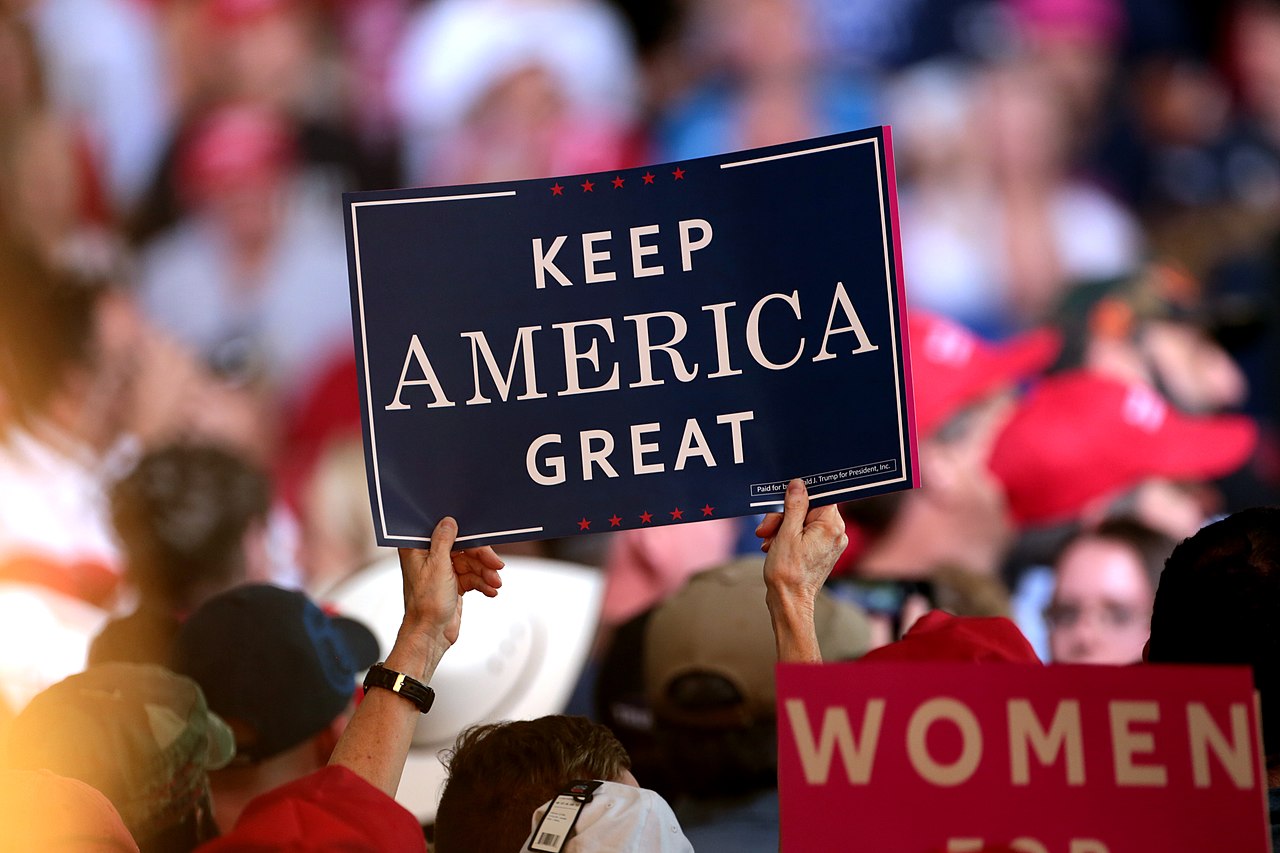
Across every dimension, including the economy, the greatest threat to well-being today is political. Over half the world’s population lives under authoritarian regimes. Even in the US, one of the two major parties has become a personality cult that increasingly rejects democracy and continues to lie about the outcome of the 2020 election. Its modus operandi is to attack the press, science, and institutions of higher learning, while pumping as much mis- and disinformation into the culture as it can.
The aim, apparently, is to roll back much of the progress of the past 250 years. Gone is the optimism that prevailed at the end of the Cold War, when Francis Fukuyama could herald “the end of history,” by which he meant the disappearance of any serious challenger to the liberal-democratic model.
To be sure, there is still a positive agenda that could forestall a descent into atavism and despair. But in many countries, political polarization and gridlock have pushed such an agenda out of reach. With better-functioning political systems, we could have moved much faster to increase production and supply, mitigating the inflationary pressures our economies now confront. After a half-century of telling farmers not to produce as much as they could, both Europe and the US could have told them to produce more. The US could have provided childcare – so that more women could enter the labor force, alleviating the alleged labor shortages – and Europe could have moved more quickly to reform its energy markets and prevent a spike in electricity prices.
Countries around the world could have levied windfall-profit taxes in ways that might actually have encouraged investment and tempered prices, using the proceeds to protect the vulnerable and to make public investments in economic resilience. As an international community, we could have adopted the COVID-19 intellectual-property waiver, thereby reducing the magnitude of vaccine apartheid and the resentment that it fuels, as well as mitigating the risk of dangerous new mutations.
All told, an optimist would say that our glass is about one-eighth full. A select few countries have made some progress on this agenda, and for that we should be grateful. But almost 80 years after Friedrich von Hayek wrote The Road to Serfdom, we are still living with the legacy of the extremist policies that he and Milton Friedman pushed into the mainstream. Those ideas have put us on a truly dangerous course: the road to a twenty-first-century version of fascism.

ZNetwork is funded solely through the generosity of its readers.
Donate




