


On December 4, 1969, Black Panther Party leaders Fred Hampton and Mark Clark were drugged and murdered by the Chicago Police Department. There have been documentaries and a feature film about the murder but they only capture part of the moment.
Hampton was among the most outstanding of the Panther leaders. Indeed, he was a true visionary. The architect of the first “Rainbow Coalition”—uniting African Americans, Puerto Ricans, and poor whites—he had an impulse towards the uniting of class struggle and struggles against national oppression. Certainly he would have offered great leadership to the Black Panther Party as a whole had he lived.
I remember the day that his murder was announced. It is difficult to capture in words the impact of the murder. Many of us were starting to become used to news about the jailing, torturing, and murder of political activists, but Fred Hampton was in a different category. This was a strategic blow to the Panthers and to the broader movement.


As we enter the new MAGA era it is worth reflecting on moments of intense repression. At the time of Fred Hampton’s murder, Richard Nixon had been in office for less than a year. The repression that fell on various groups, including but not limited to the Panthers, was something that many non-activists could ignore even though for the activist world it was heart-wrenching. The MAGA world we are entering shall leave no one untouched, however. It is for this reason, if for no other reason, that we must think broadly and creatively regarding the sort of united front necessary to defeat the far Right. This is a united front that will go beyond legal defense campaigns. It may have an impact on the lives of millions. It will necessitate self-defense; creative, “guerrilla” media (social media, alternative press, etc.); forms of mutual assistance; mobilizations; worker organizing; strikes; counternarratives. And it will most especially necessitate strategy and organization.
The Panthers understood part of this but they tended to focus on the attacks against them (and other activists) by the State. We must think differently and, as such, both offensively and defensively.
On offense, we must think about the environmental movement and environmental justice movements. The environment is the Achilles heel of the far right. They have no solution to the environmental catastrophe aside from genocide. Forces on the left need to not only push for environmental reforms but also link that to the defense and strengthening of the social safety net. Recent hurricanes, wildfires, droughts and pandemics have made clear that there must be a role for government,not only to provide assistance in the aftermath of environmental catastrophes, but to be thinking in advance regarding the steps to take to mitigate disaster. The right will not be thinking about that. As socialists, we need to think about our role in this, a role that must go beyond propaganda. Environmental activists have been asking how they can support the labor movement. In truth, they need to be uniting with the labor movement rather than thinking about supporting it. Uniting as in taking on this offensive battle against environmental catastrophe and the neoliberal devastation of the social safety net. That IS class struggle.

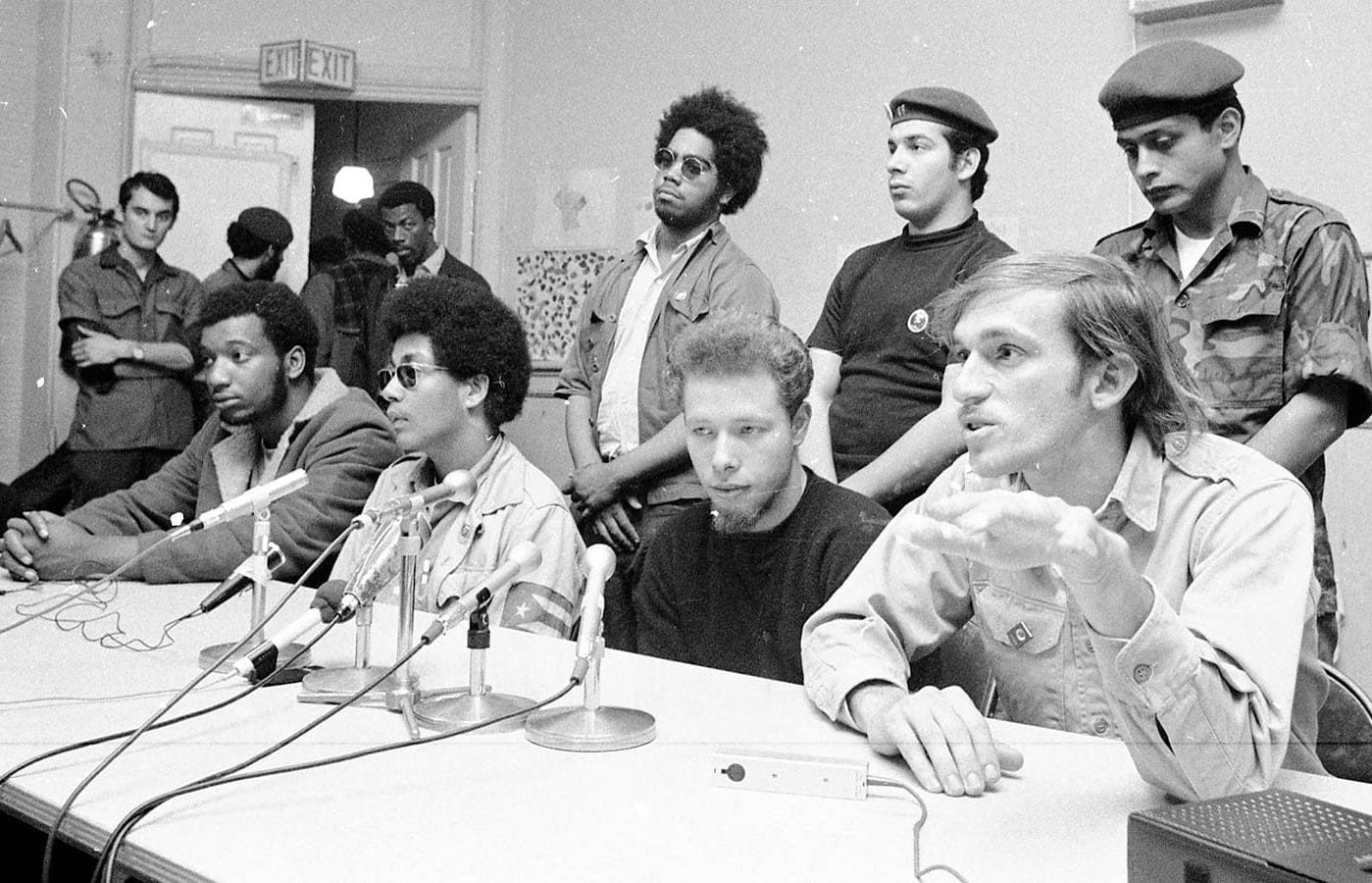
Fred Hampton appreciated that if we are to win we must think in majoritarian terms. In today’s situation that means fully breaking with postmodernism and its obsession with particularities and symbols, and starting to think in terms of “the people”—the conscious force led by workers that seeks to win and save humanity. Those who truly understand that it is “us” (those unplugged from “the Matrix”) against “them” (the oligarchs and those who willingly—and often stupidly—serve them).
The loss of Fred Hampton was the loss of decades. But there are many Fred Hamptons out there. They need organization and for sure they need to be focused on strategy. Socialists need to unite with those Fred Hamptons, thereby transforming ourselves and transforming them.
Failure is not an option.

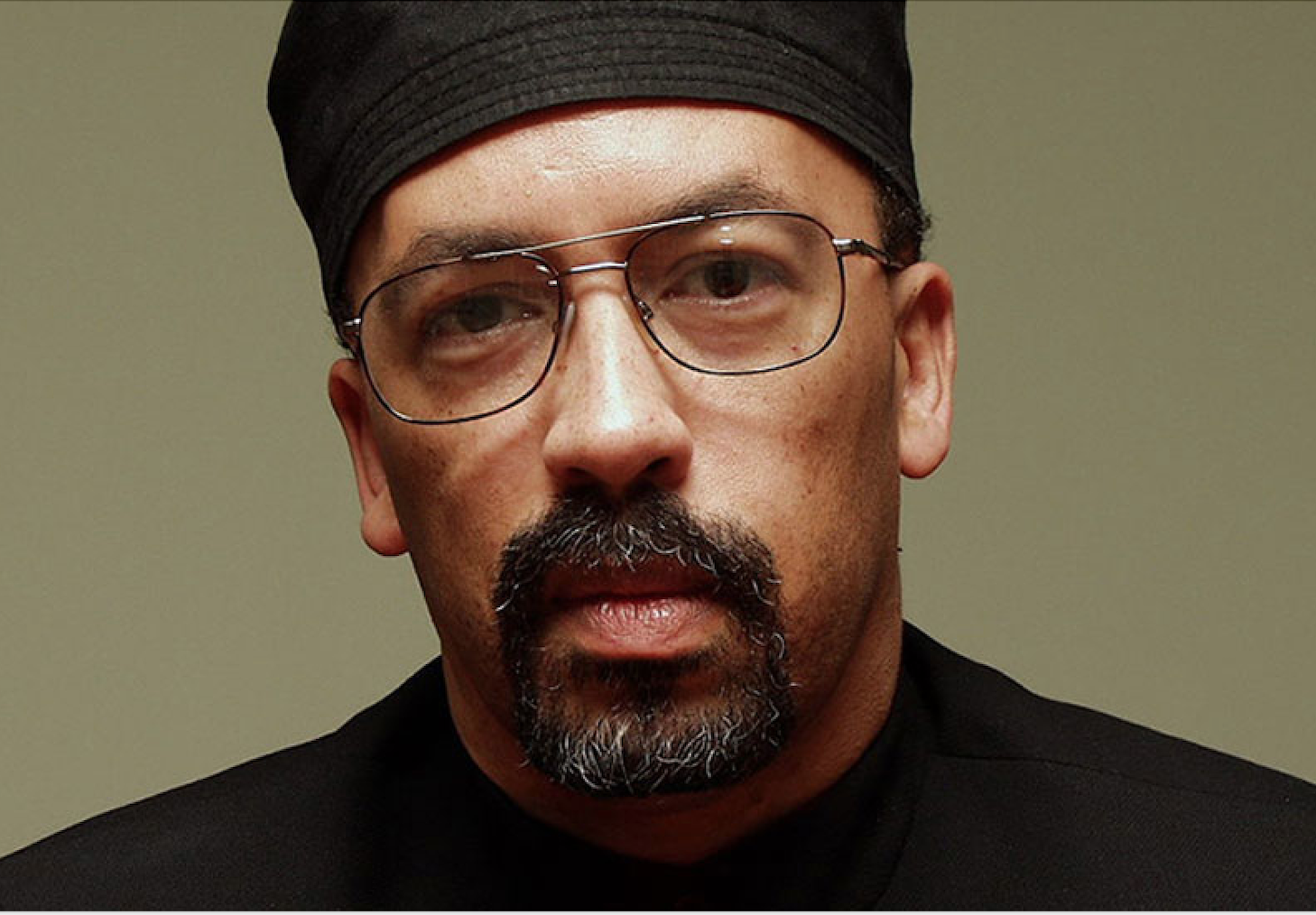
Bill Fletcher Jr (born 1954) has been an activist since his teen years. Upon graduating from college he went to work as a welder in a shipyard, thereby entering the labor movement. Over the years he has been active in workplace and community struggles as well as electoral campaigns. He has worked for several labor unions in addition to serving as a senior staffperson in the national AFL-CIO. Fletcher is the former president of TransAfrica Forum; a Senior Scholar with the Institute for Policy Studies; and in the leadership of several other projects. Fletcher is the co-author (with Peter Agard) of “The Indispensable Ally: Black Workers and the Formation of the Congress of Industrial Organizations, 1934-1941”; the co-author (with Dr. Fernando Gapasin) of “Solidarity Divided: The crisis in organized labor and a new path toward social justice“; and the author of “‘They’re Bankrupting Us’ – And Twenty other myths about unions.” Fletcher is a syndicated columnist and a regular media commentator on television, radio and the Web.
ZNetwork is funded solely through the generosity of its readers.
Donate




