


By now most everyone is familiar with the phenomenon known as Post Traumatic Stress Disorder or PTSD. We associate this disorder primarily with veterans of combat. What many people do not know is that this disorder was included into the bible of therapeutic mental health disorders only after a long struggle by the Vietnam Veterans Against the War and some other US veterans organizations in the 1970s. Prior to that inclusion, veterans who were suffering from what was then commonly known as shell shock were left to their own demons or, in some extreme cases during wartime, executed by the military for cowardice under fire. Even today, some returning vets of the Iraq and Afghanistan engagements who have symptoms that suggest PTSD have been accused of faking these symptoms to get out of a third or fourth tour in those battle zones. In fact, in one recently publicized incident, the Surgeon General of the Army ordered military counselors to stop processing requests for psychological assistance from GIs returning from Iraq and Afghanistan.
Michele Barrett’s new work from Verso titled Casualty Figures takes a look at the lives of five men who fought for the British military in the First World War and suffered some form of shell shock. The five vignettes that make up the bulk of the text include passages from the men’s letters home to family and loved ones. They also include brief sections of unpublished accounts by the men themselves regarding their battle experiences. Those experiences included battles where 10,000 of the German enemy and 3,000 British soldiers died in one battle. The stories also tell of men being holed up in trenches for days on end with nothing but corpses to keep them company and other tales of battlements being built from the corpses of the enemy. They relate moments of realization by the individuals portrayed that the war itself was pointless and served no soldier’s interest, no matter who he was fighting for.
The two most interesting men portrayed by Barrett are Bombardier Ronald Kirth and Air Vice Marshall Sir William Tyrell. After Kirth refused to obey an order to bombard a church, he was demoted to a lower rank and loses his leave and some of his rations. This experience and his experience that caused the death of a friend when they were bombarded while manning a pill box led him to become a pacifist. The death of his friend and the events immediately following the bombardment when Kirth was catapulted several meters into the air caused Kirth to experience total amnesia. That episode would be the first of many such experiences. Realizing that he would not have suffered this if he hadn’t been in the pill box (or the war), and understanding that the amnesiac episodes are his brain’s method of coping with that he saw and felt, Kirth became opposed to all wars.
Tyrell, on the other hand, saw his bout of shell shock as a weakness that he must destroy by becoming tougher and more military-like. The rest of his life was spent doing exactly that, both in his professional military life and his personal life. The stories of these two men vividly illustrate the nature of a society steeped in militarism and its effect on individuals subjected to the militarists’ propaganda and institutions. Likewise, the stories of the other three—two who died young and a third who lived within himself until he died—show the effects of those who fight the militarists’ wars for whatever reason. Indeed, it is these three who may be more typical than either Kirth or Tyrell.
By telling these stories, Barrett brings home to the reader the pointlessness of modern war and the damage it inflicts on the survivors. Looking through the lens provided by Barrett’s selection of these five men’s stories, the reader is reminded quite graphically of the consequence of one of humanity’s bloodiest adventures in human slaughter—World War I, the war to end all wars. Many of the men who ended up dead from wounds in World War I nowadays survive similar wounds thanks to medical progress. Unfortunately, this fact only seems to make war more palatable to the politicians, generals, arms manufacturers and powerbrokers that depend on it for their livelihood.
Long Shadows is a book similar to Casualty Figures in that it relates the stories of men (and two women) who served in the military. The difference, however, lies in the fact that the individuals in Long Shadows decided to use their experience and the trauma it caused to work towards opposing future wars of power and empire. It wasn’t always an easy path to that decision for these folks, but it is one that all of the individuals writing in this collection believe to be the best one they could have made. The nineteen veterans whose thoughts and memories appear in this book are all members of the Madison, Wisconsin Clarence Kailin chapter of Veterans for Peace, an organization of veterans with over 120 chapters throughout the United States. The collection’s writers include a veteran of the Spanish Civil War, vets of World War Two, the Korean War, the war in Vietnam, an Israeli-American vet, and veterans of the Middle East and Asian wars that began with Desert Storm in 1990.
Evocative and often heartwrenching, these stories are a collection of epiphanies by men and women who discovered through personal experience how terrible and pointless war really is. While many of them are now pacifist, one or two are more specific in the wars they oppose. Specifically, they oppose wars of empire and conquest, while supporting the right of people to defend themselves from invasion and occupation. Coming from all walks of life—wealthy, poor, farmers, city dwellers, progressive and reactionary, white skinned and black—each of the individuals underwent a transformation either during their wartime service or in the years succeeding it that brought them to a point where they felt the only option was to speak out no matter what the cost. Some, like WW II vet Charles Sweet, came to this decision because of their children. Others, because of their need to deal with personal demons and guilt. One or two never would have predicted while they were serving that they would join the ranks of the antiwar protesters. Still others, like Will Williams, needed to find a place to transpose the anger within himself (an anger growing from the racism he experienced as a black American) into something positive.
If you don’t tear up at least once while you read this book, then you are not capable of tearing up. Whether it’s a veteran telling the story of seeing his buddy die or his attempts to deal with the torture and wanton killing he either took part in or was unable or unwilling to stop, the emotional level of these memories left this writer drained. Some of the vets herein were diagnosed with PTSD, but most were left to deal with their demons on their own. Still, the book is not all wretched sadness, Indeed, it is the hope for a more peaceful future growing out of the struggle these men and women have joined that is the overriding message in these pages.
As the friend of several members of living and deceased Vets for Peace, I responded immediately and positively to editor David Giffey’s request to review Long Shadows. Having grown up in a military family during the Vietnam era, I think I understand something of what it is like to buck the expectations of relatives and society and take a stand against the military and its purpose. For those who actually wore the uniform to reject it and the brainwashing and come through that intact is worthy of respect. To use those experiences in support of preventing others from becoming veterans is even more noble. That, I believe, is the primary intention of the men and women appearing in this book. That is also why you should share this book with those currently serving or considering such a move. It might convince them to change their mind.

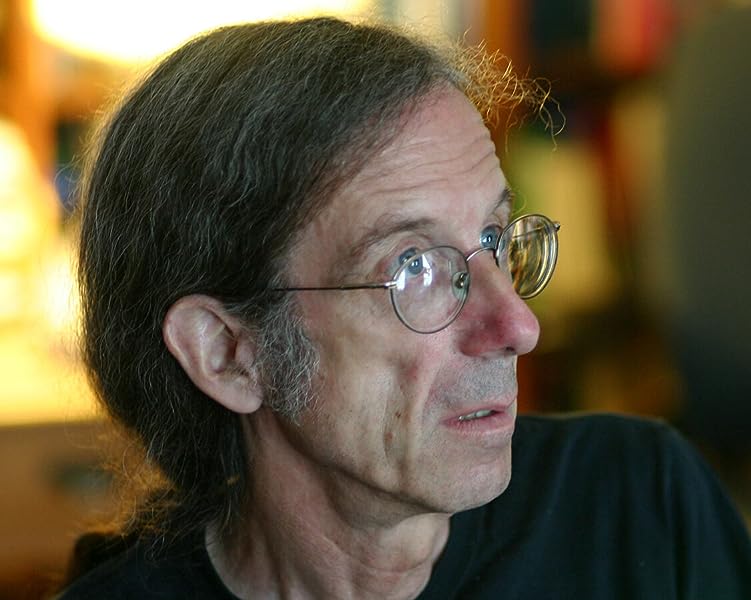
Ron Jacobs is the author of several books, including Daydream Sunset: 60s Counterculture in the '70s, The Way the Wind Blew: A History of the Weather Underground, and Nowhere Land: Journeys Through a Broken Nation. He is a frequent contributor to Counterpunch. His articles, reviews and essays have appeared in anthologies and numerous print and online journals, including Jungle World Berlin, Monthly Review, The Sri Lanka Guardian, Vermont Times, Alternative Press Review, and the Olympia, WA-based monthly Works In Progress.
ZNetwork is funded solely through the generosity of its readers.
Donate




