


In 1972, after many years of U.S. involvement in Vietnam, the Pentagon Papers whistleblower Daniel Ellsberg wrote: “In that time, I have seen it first as a problem; then as a stalemate; then as a crime.â€
That aptly describes three key American perspectives now brought to bear on U.S. involvement in Iraq.
The moral clarity and political impacts of Cindy Sheehan’s vigil in Crawford are greatly enhanced by a position that she is taking: U.S. troops should not be in Iraq.
Sheehan’s position does not only clash directly with President Bush’s policy, which he reiterated on Thursday: “Pulling the troops out would send a terrible signal to the enemy.†Her call for complete withdrawal of U.S. troops from Iraq also amounts to a firm rejection of the ongoing stance from Howard Dean, the head of the national Democratic Party, who told a Minneapolis audience on April 20: “Now that we’re there, we’re there and we can’t get out.â€
Loyal supporters of the Bush policy in Iraq may express misgivings, but they have an outlook that views the faraway war as a fixable “problem.â€
Dean, the Democratic National Committee chair, has opted to stick to a calibrated partisan line of attack that endorses the essence of the war in real time. “The president has created an enormous security problem for the U.S. where none existed before,†Dean said in Minneapolis. “But I hope the president is incredibly successful with his policy now that he’s there.â€
Of course, the idea that Bush could be “incredibly successful with his policy now†in Iraq is the stuff of fantasy. But it’s the kind of politician-speak that makes a preposterous statement because it seems like a good media tactic. That’s what most Democratic Party officials on the national stage, and some activists who should know better, are still doing. They’re the rough equivalent of those who, like Ellsberg for a time four decades ago, mainly regretted that the war was “a stalemate.†Objections to the war along that line depict it as a quagmire.
But the U.S. war effort in Iraq is not a quagmire. It is what Daniel Ellsberg came to realize the Vietnam War was: “a crime.â€
Cindy Sheehan — and many other people who have joined her outside the presidential gates in Crawford, and millions of other Americans — understand that. And they’re willing to say so. They have rejected not only the rabid militarism of the Bush administration but also the hollowed-out pseudo-strategic abdication of moral responsibility so well articulated by Howard Dean.
On Thursday, in his transparent attempt to halt the momentum of the vigil led by Cindy Sheehan, the president spoke to journalists and repeated his usual rationales. Along the way, Bush provided a sing-song catchphrase of the sort that political consultants are paid big bucks to script: “As Iraqis stand up, we will stand down.†It all added up to insistence on war and more war. “Pulling troops out prematurely,†he said, “will betray the Iraqis.†But Bush got his scripted syntax inverted when he made the mistake of saying something that rang true: “Obviously, the conditions on the ground depend upon our capacity to bring troops home.â€
While Bush sees the war as a problem and Dean bemoans it as a stalemate, Sheehan refuses to evade the truth that it is a crime. And the analysis that came from Daniel Ellsberg in 1972, while the Vietnam War continued, offers vital clarity today: “Each of these perspectives called for a different mode of personal commitment: a problem, to help solve it; a stalemate, to help extricate ourselves with grace; a crime, to expose and resist it, to try to stop it immediately, to seek moral and political change.â€
______________________________
Norman Solomon is the author of the new book “War Made Easy: How Presidents and Pundits Keep Spinning Us to Death.†For information, go to:
www.WarMadeEasy.com

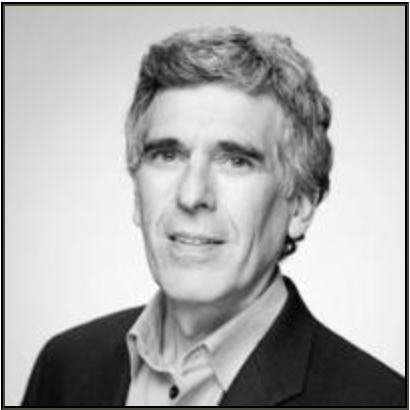
Norman Solomon is the national director of RootsAction.org and executive director of the Institute for Public Accuracy. The paperback edition of his latest book, War Made Invisible: How America Hides the Human Toll of Its Military Machine, includes an afterword about the Gaza war.
ZNetwork is funded solely through the generosity of its readers.
Donate




