


Demonstrations, participation in elections and the exercise of power are political activities with a common characteristic: the working classes are moving away from them or feel excluded from them. When millions of people in France showed their solidarity on 11 January with the victims of the Charlie Hebdo attacks, there was a marked contrast between middle-class mobilisation and the smaller numbers of working-class and young people from deprived areas who turned out. Popular protest has been an increasingly middle-class activity for years, as has voting: in almost every election, the participation rate declines further down the income scale. And those who “represent” the nation are certainly no better, as they are almost identical to society’s upper echelons. This is politics as an elite sport.
This is clear in the European left. The unions set up the UK Labour Party to represent working-class voters. In 1966, 69% of manual workers voted Labour; this fell to 45% by 1987, and 37% in last month’s election. Blairites thought the focus needed to be on the middle classes. This mission was accomplished: the party suffered a resounding defeat with the most middle-class electorate in its history (see Will the Labour Party survive?, page 2).
“Growing working-class disillusionment with leftwing parties, visible in all western democracies, is probably not unconnected to the declining numbers of politicians from the least well-off parts of society who have experienced similar lives,” says political scientist Patrick Lehingue. Consider that in 1945, 25% of French members of parliament had been labourers or employees before election; that has now fallen to 2.1%. In 1983, 78 mayors of municipalities with more than 30,000 inhabitants had once been labourers or ordinary office workers (these still account for the majority of the population). Now there are only six (1). So much for representative democracy. More than 50% of Americans think the state should redistribute wealth through more taxation of the rich. Only 17% of the rich, unsurprisingly, share that view (2). But the way western democracies work means that the minority opinion prevails without any real debate. And a class well aware of its own interests can afford to be relaxed, since public debate is so dominated by distractions whipped up by the media that it owns, which help divide the working-class against itself.
With this system so well entrenched, all we can do is call in the experts whose job it is to remind us that apathy and anger are to be expected when societies move to the right.

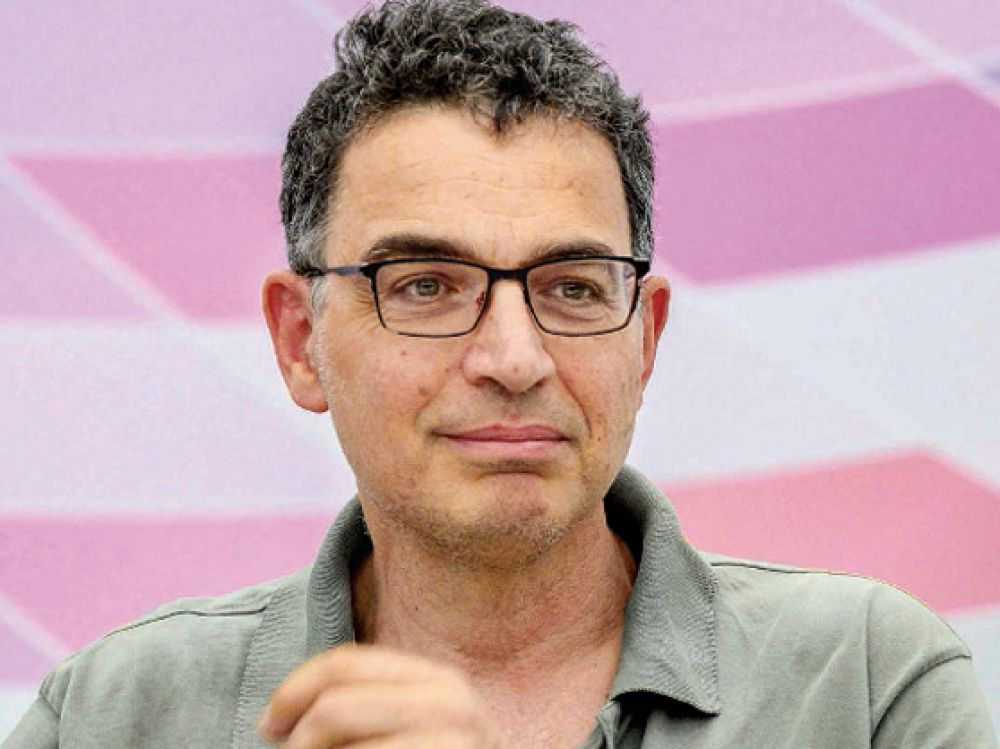
Serge Halimi writes for le Monde diplomatique (www.mondediplo.com) and is the author of Le Grand Bond en Arrière: Comment l'ordre libéral s'est imposé au monde (The Great Leap Backward: How the liberal order was imposed on the world)
ZNetwork is funded solely through the generosity of its readers.
Donate




