


“It felt like being in a huge prison.” That was how I responded to questions I was asked after leading a delegation of African Americans on a visit to the occupied Palestinian territories this past January. Yes, there are other ways of describing the experience. The land is beautiful; the people are generous; and with every glance, one sees reminders of a history dating back thousands of years.
Yet the feeling one gets is of being imprisoned; of being vulnerable; of not knowing. This was what we felt as African American visitors to the Holy Land. The reality for Palestinians is far worse.
At every turn, we never lost sight of the ignominious “separation wall”, as the Israeli government politely references it; the “apartheid wall”, as much of the rest of the world describes it. A wall with guard/sniper towers, running, not along the Green Line (the armistice line that was agreed upon in 1949), but through almost whatever terrain the Israelis choose. A wall that frequently separates Palestinian farmers from their own lands, making it next to impossible for them to consistently cultivate their crops.
My delegation and I found it both frightening and sadly familiar that the Palestinians have few rights that the Israeli authorities are bound to respect. Land has been seized—illegally—by the Israeli authorities, allegedly for security reasons, or sometimes, quite ironically, for archeological reasons! And it is never returned to the Palestinians; instead, it is turned over to Israeli settlers.
There are roads on which Palestinians cannot drive without special permission. We discovered this firsthand as we traveled with a Palestinian guide who needed a permit to use particular highways. But even with this permit, she had to exit our van at checkpoints and walk through, while our delegation was permitted to remain in our van during and after inspection.
In the mainstream media, we have frequently heard or read about Palestinian terrorism or military actions. Yet, in our brief experience, we felt no unease or fear when we interacted with the Palestinians. Unfortunately, the same cannot be said regarding our interactions with Israeli soldiers. The young Israeli military men and women, frequently carrying automatic weapons, were quite full of themselves and felt no need to be polite to our delegation, let alone to the Palestinians. The Palestinians were treated with the sort of contempt one would expect to be experienced by a prison population.
Blink once, and you saw apartheid South Africa; blink twice, and you saw the Jim Crow South of the USA; blink three times, and you realized that you were not in the past, but in a very dangerous reality where an entire population is facing the prospect of perpetual marginalization and dispossession.
Bill Fletcher, Jr. is a racial justice, labor, and global justice activist and writer. He is a Senior Scholar with the Institute for Policy Studies and the author of “‘They’re Bankrupting Us!’: And 20 Other Myths about Unions”. He recently traveled to Israel and Palestine with an African American fact-finding team. Follow him on Facebook and at www.billfletcherjr.com.

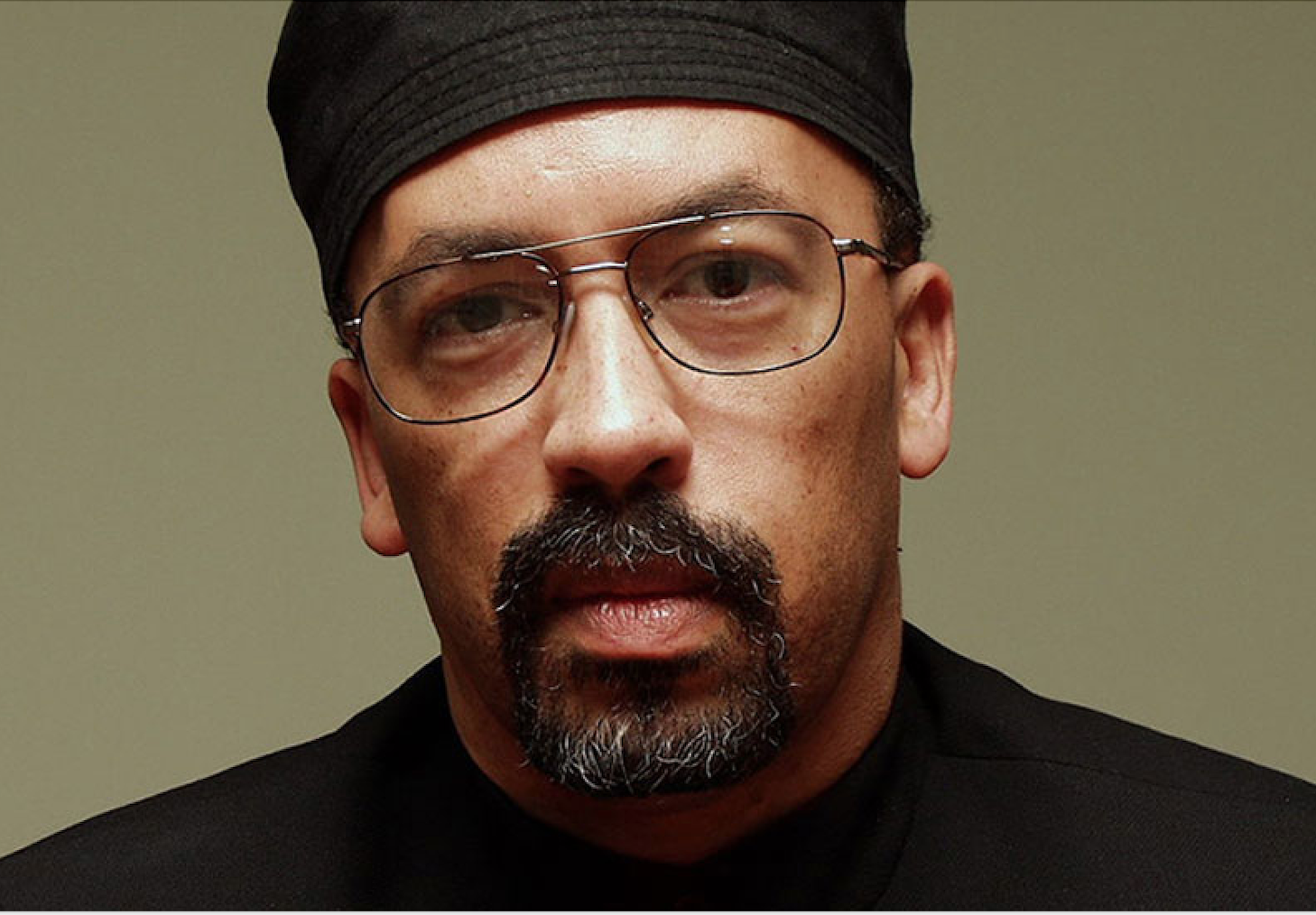
Bill Fletcher Jr (born 1954) has been an activist since his teen years. Upon graduating from college he went to work as a welder in a shipyard, thereby entering the labor movement. Over the years he has been active in workplace and community struggles as well as electoral campaigns. He has worked for several labor unions in addition to serving as a senior staffperson in the national AFL-CIO. Fletcher is the former president of TransAfrica Forum; a Senior Scholar with the Institute for Policy Studies; and in the leadership of several other projects. Fletcher is the co-author (with Peter Agard) of “The Indispensable Ally: Black Workers and the Formation of the Congress of Industrial Organizations, 1934-1941”; the co-author (with Dr. Fernando Gapasin) of “Solidarity Divided: The crisis in organized labor and a new path toward social justice“; and the author of “‘They’re Bankrupting Us’ – And Twenty other myths about unions.” Fletcher is a syndicated columnist and a regular media commentator on television, radio and the Web.
ZNetwork is funded solely through the generosity of its readers.
Donate




