


You mention “Agent Orange” and some people think that you are talking about a spy movie. For others, particularly those who know anything about the Vietnam War, they tend to think that it is something out of the distant past, perhaps an unfortunate historical episode.
“Agent Orange” is the name for an extremely toxic defoliant that contains TCDD dioxin, one of the most dangerous chemicals ever invented by humans. During the Indochina War, the USA, in order to destroy the jungles that served as hiding places for guerrillas (in Vietnam, the National Liberation Front; in Cambodia, the Khmer Rouge; in Laos, the Pathet Lao), sprayed tons of this. In so doing, they set in motion a time-bomb that has been a disastrous legacy to a disastrous war.
Agent Orange not only destroys plant life, it also destroys human life. Roughly three million Vietnamese are suffering various side-effects to Agent Orange exposure. In addition to this, thousands of US veterans are as well. The impact of Agent Orange can range, but its time-bomb-like effect unfolds with subsequent generations. Thus, children are born mentally retarded and/or missing limbs. There are various cancers associated with Agent Orange exposure.
The veteran’s movement has received some compensation for the impact of Agent Orange, but the Vietnamese, who were the targets of this genocidal weapon, have received nothing from the United States. The reasons for the silence by the USA go way beyond matters of the status of legislation or litigation. In some respects, it shares in common with discussions on US relations with Iran, an important point: the US government and many of its people refuse to acknowledge crimes that have been committed against various nations in our name.
To acknowledge Agent Orange is not only to acknowledge a particular weapon, but it is to acknowledge, ultimately, the criminality of a war that left more than two million Vietnamese dead, as well as the more than fifty thousand US dead. There has been, in other words, no collective summation of the Vietnam War. There are, however, periodic efforts by the political Right to re-write (no pun intended) history and act as if the Indochina debacle was somehow a crusade for justice, when it was exactly the opposite.
Over the years following the end of the Vietnam War there have been various efforts to raise the issue of Agent Orange before the people of the USA. These efforts have largely failed to change US policy, but not due to lack of effort. Despite the VISIBLE impact of Agent Orange on the people of Vietnam, many of whom cannot be fully treated due to the lack of resources by their government, we in the USA find ourselves in a “see no evil” mode. Added to this has been the complete ignoring of the impact of Agent Orange on the people of Cambodia and Laos, something that seems to be treated to silence, due to Agent Orange having been used during covert operations in those countries.
Agent Orange will not go away by itself. Not only is it in the Indochinese soil, but it is in the blood streams of countless Vietnamese, Cambodians, Laotians, and, yes, US veterans and their off-spring. The “Vietnam Agent Orange Relief & Responsibility Campaign” (www.vn-agentorange.org) is one important effort underway to reverse US policy on the victims of Agent Orange. For it to succeed, however, grassroots organizations and institutions need to take this up as a moral, diplomatic and legislative matter.
As long as Agent Orange is not addressed, along with the reparations that the US agreed to offer the Vietnamese, the Indochina War cannot be considered over. Rather, it entered a different phase; a phase without artillery and gunshots, but a phase in which millions continue to suffer and die in agony.

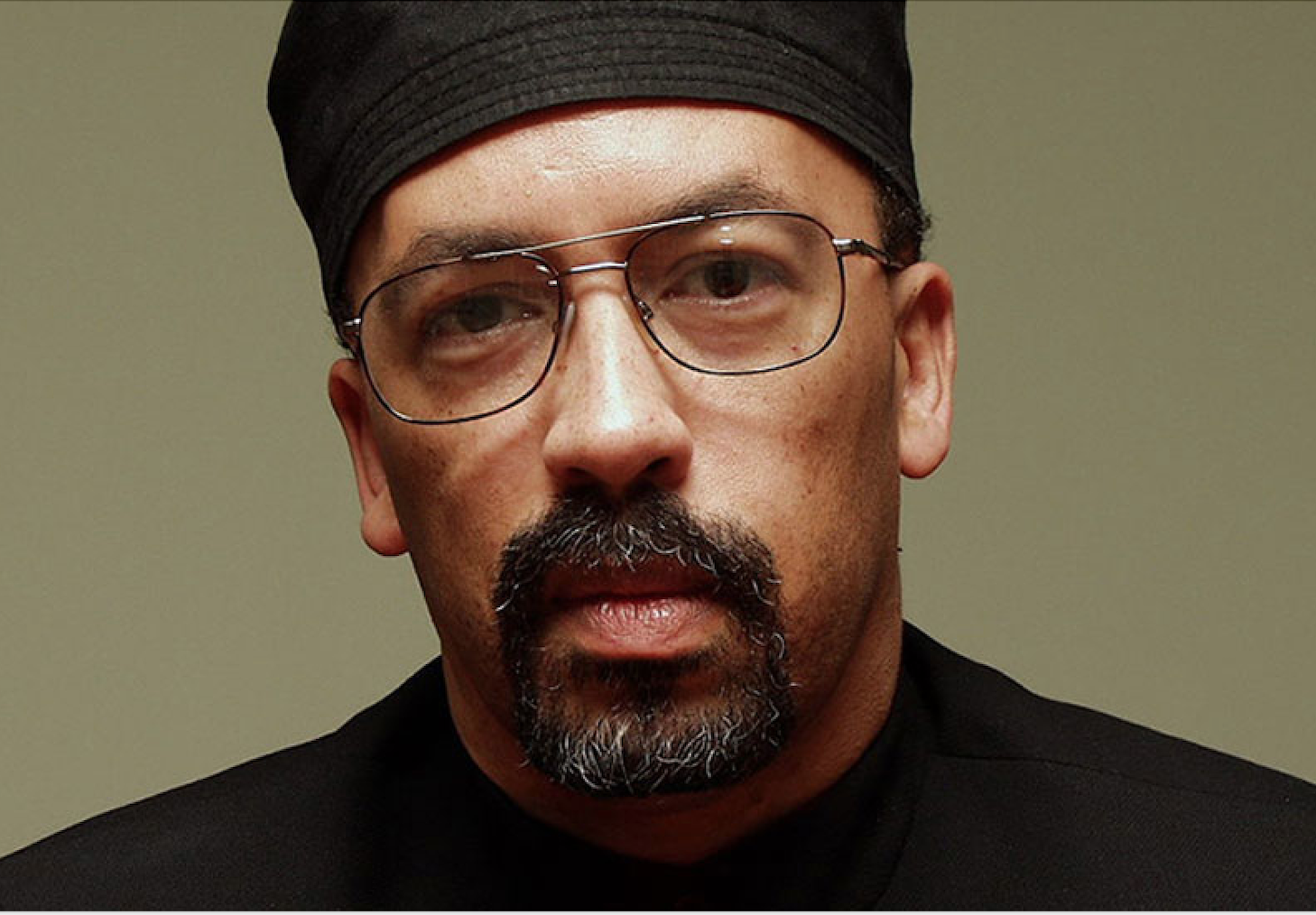
Bill Fletcher Jr (born 1954) has been an activist since his teen years. Upon graduating from college he went to work as a welder in a shipyard, thereby entering the labor movement. Over the years he has been active in workplace and community struggles as well as electoral campaigns. He has worked for several labor unions in addition to serving as a senior staffperson in the national AFL-CIO. Fletcher is the former president of TransAfrica Forum; a Senior Scholar with the Institute for Policy Studies; and in the leadership of several other projects. Fletcher is the co-author (with Peter Agard) of “The Indispensable Ally: Black Workers and the Formation of the Congress of Industrial Organizations, 1934-1941”; the co-author (with Dr. Fernando Gapasin) of “Solidarity Divided: The crisis in organized labor and a new path toward social justice“; and the author of “‘They’re Bankrupting Us’ – And Twenty other myths about unions.” Fletcher is a syndicated columnist and a regular media commentator on television, radio and the Web.
ZNetwork is funded solely through the generosity of its readers.
Donate




