

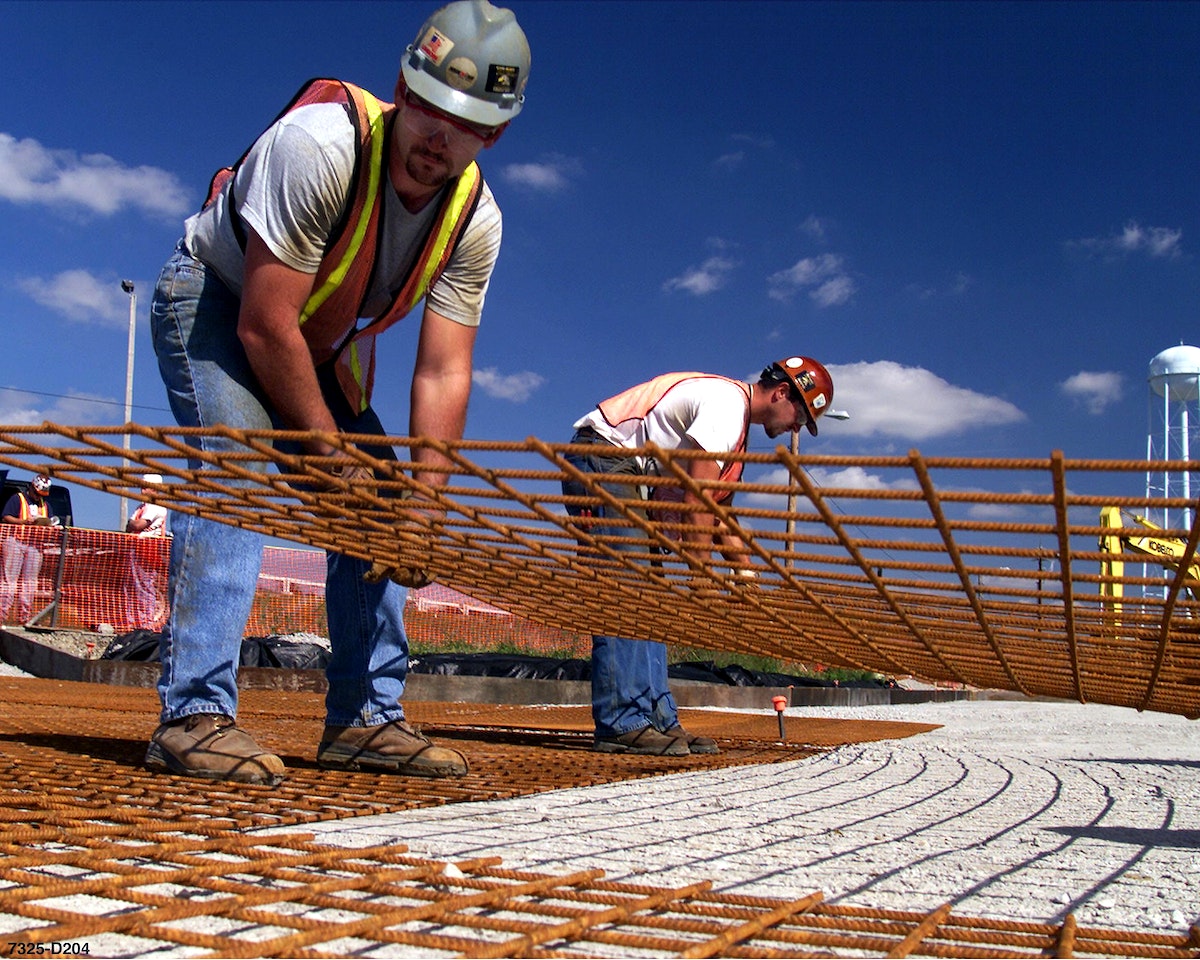
Even as summer temperatures soar and states wrangle with protecting outdoor workers from extreme heat, Texas recently enacted a law that axes city rules mandating water and shade breaks for construction workers.
In state after state, lawmakers and regulators have in recent years declined to require companies to offer their outdoor laborers rest breaks with shade and water. In some cases, legislation failed to gain traction. In others, state regulators decided against action or have taken years to write and release rules.
Heat causes more deaths in the United States each year than any other extreme weather. And in Texas, at least 42 workers died of heat exposure between 2011 and 2021, according to the U.S. Bureau of Labor Statistics, though labor advocates say the number is much higher because other causes are cited in many deaths.
A 2021 investigation by NPR and Columbia Journalism Investigations found nearly 400 workers had died of environmental heat exposure in the previous decade, with Latino workers — who make up much of the nation’s farm and construction workforce — disproportionately affected.
Climate change has brought more days of extreme heat each year on average, and scientists say that number will grow. Yet only three states — California, Oregon and Washington — require heat breaks for outdoor workers. Minnesota has a rule that sets standards for indoor workers, and Colorado’s heat regulations cover only farmworkers.
The new law in Texas, signed by Republican Gov. Greg Abbott in June, nullifies a slew of local ordinances in an ongoing battle between the conservative legislature and left-leaning cities such as Austin and Houston. The law, touted as pro-business by supporters, strips local authority in eight codes of law: agriculture, business and commerce, finance, insurance, labor, natural resources, occupations and property. Affected ordinances include rules on matters such as tenant evictions and wage practices.
But one of the law’s most significant actions is to nullify ordinances in Austin and Dallas that mandated 10-minute breaks every four hours for construction workers to get water and shade. San Antonio had been considering a similar ordinance; now no city may impose such a rule.
Texas’ union leaders immediately drew attention to the potential consequences.
“Construction is a deadly industry. Whatever the minimum protection is, it can save a life. We are talking about a human right,” Ana Gonzalez, deputy director of policy and politics at the Texas AFL-CIO, told the Texas Tribune. “We will see more deaths, especially in Texas’ high temperatures.”
The federal Occupational Safety and Health Administration, known as OSHA, urges companies to protect workers from heat-related illness, but for now has no federal heat standard. Several labor firms advise companies that they can run astray of OSHA’s “general duty clause,” which tells companies they should protect their workers from a known severe hazard.
Texas business interests and Republican lawmakers say employers need regulatory consistency, and that city-by-city rules hurt job growth.
Texas state Sen. Brandon Creighton, a Republican who helped carry the legislation, tweeted that it is “the most pro-business, pro-growth bill passed in the 88th Legislative session, and will be a lifeline to Texas job creators.”
Still, many union and migrant advocates have called on states to write more stringent regulations. California laid the basis for worker protections in 2005 with emergency standards, since made permanent and amended, requiring access to shade and water, along with training and emergency response standards.
In 2021, Oregon and Washington state set temporary emergency standards after the heat wave across the Pacific Northwest killed hundreds of people. Oregon’s have since become permanent; Washington is working on setting permanent rules.
Months after that heat wave, President Joe Biden directed OSHA to begin rulemaking for a federal heat-protection standard. It takes years on average to go through the process, and a rule could be stalled depending on who wins the 2024 presidential election.
In Minnesota, where air conditioning is less common than in more southern states, state rules require indoor temperatures to remain below certain levels depending on the intensity of the work.
Other state-based efforts have not become law.
New York legislation that would have required worker protections—including shade and water breaks for outdoor laborers — in extreme weather died in committee last month.
In Nevada, the Senate passed a similar bill after language requiring hourly 10-minute breaks was changed to “periods throughout the workday” so workers could “hydrate, as needed.” The bill was last heard in a May committee meeting in the state’s Assembly.
Bipartisan efforts in Florida to set heat standards for worker safety have failed the past three years, including in the most recent legislative session that ended in May, according to the Miami Herald.
The Virginia Safety and Health Codes Board surprised some observers in 2021 by narrowly rejecting proposed heat-safety standards for outdoor laborers just two years after voting unanimously to develop the rules. Opponents cited the potential federal OSHA rule currently being developed.
Maryland passed a bill in 2020 requiring a new rule, but those standards are still being written as business and environmental advocates weigh in. Last November, for example, the Natural Resources Defense Council wrote that the proposed rule was too “weak and unenforceable” to have much effect.
Other states, such as North Carolina, like the federal OSHA agency advise the public that heat stress standards might apply under the “general duty clause.”
ZNetwork is funded solely through the generosity of its readers.
Donate




