


DOHA, Qatar, Feb 3 (IPS) — Its foreign bureaus were bombed by U.S. warplanes, it is banned from reporting from four Middle East countries — and Al-Jazeera is only growing in popularity.
An interesting, and sometimes tragic path has led to the success of Al-Jazeera since its launch in November 1996. Its difficulties have also been its success; the ban from reporting in Iraq, Iran, Saudi Arabia and Algeria has done nothing to reduce a fierce loyalty from more than 40 million viewers.
The Al-Jazeera bureau in Afghanistan was bombed by U.S. warplanes in 2001. During the invasion of Iraq, U.S. tanks shelled Al-Jazeera journalists in a Basra hotel. Shortly after, its office in Baghdad was hit by a missile from a U.S. warplane; correspondent Tareq Ayoub was killed.
Al-Jazeera reporters have been detained by U.S. forces and placed in prisons in Iraq and Guantanamo Bay in Cuba. It has weathered verbal attacks from U.S. defence secretary Donald Rumsfeld and from government officials in many countries in the Middle East..
“I can definitively say that what Al-Jazeera is doing is vicious, inaccurate and inexcusable,” Rumsfeld told reporters Apr.. 15, 2004 after Al-Jazeera showed the bodies of women and children killed by U.S. bombs in Fallujah.
U.S. President George W. Bush attempted to convince British Prime Minister Tony Blair to agree to bomb the headquarters of Al-Jazeera in Doha in Qatar in November that year, according to a report in Britain’s Daily Mirror citing “top secret” minutes of the meeting where this was discussed.
At an Al-Jazeera forum on the media in Doha this week, IPS asked Samir Khader, programme editor for Al-Jazeera, if the report of a plan to attack their headquarters had affected their work.
“Do you think that because of such a memo we have to stop working,” he said. “Of course we can’t. We have to do our job. If the memo was true and George Bush wanted to bomb Jazeera, what can we do? They can do that, and the whole world will know.”
Khader, who was featured in a well-known documentary on the network called ‘Control Room’ added, “It’s not that because a journalist is threatened he will not do his job.”
Asked if Al-Jazeera received an explanation on the report, Khader said, “No. The official spokesman of the British government said there was nothing in that memo that referred to Al-Jazeera, and Tony Blair also said that in the House of Commons. But in answering other enquiries from British nationals, the same spokesman recognised that this memo exists, and there is a reference to Al-Jazeera. So there is a contradiction in their own statements..”
Khader said Al-Jazeera is still waiting for a response from both governments.
Managing director Wadah Khanfar told IPS there is a driving force within the media outlet that propels it through challenging times.
“Sometimes the only thing that keeps us forward is the support of our audience,” he said. “But also because we have really great people working here as well as professionally trained fixers, stringers and drivers.”
Khanfar said the channel is building on its reputation of succeeding in the face of hostility.
“There is a culture now we’ve created with our style of reporting that oppressive regimes have more trouble now stopping Al-Jazeera,” Khanfar said. “If you, as a journalist, would like to be loyal to your profession, you know it is going to be difficult to get the story sometimes, but you have to do it anyway if it’s at all possible.”
This attitude prompted its reporters in Fallujah to obtain footage of civilians killed by U.S. soldiers. This reporter also witnessed the attacks on civilians and ambulances in Fallujah at the time..
Gen. Mark Kimmitt, the senior U.S. military spokesperson in Iraq during the April 2004 siege of Fallujah, had said then, “The stations that are showing Americans intentionally killing women and children are not legitimate news sources.”
A young female journalist who writes for Al-Jazeera’s English website was reluctant to give her name, but when asked if she faced pressure from the U.S. military or repressive governments in the region, said, “Not directly, but since we know we’re being so highly scrutinised, I feel a greater responsibility to do my job well.”
Did other Al-Jazeera journalists feel the same way? “Doesn’t every journalist feel that these days,” she said.

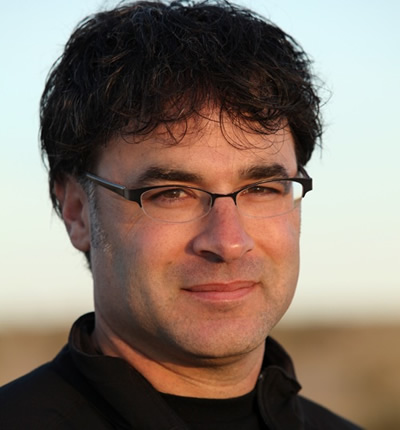
Dahr Jamail is the Baghdad correspondent for The NewStandard. Jamail, a political activist from Anchorage, Alaska, first traveled to Iraq in November 2003 to write about the effects of the US occupation on the Iraqi people. After nine weeks covering Iraq under occupation, he returned to the US and addressed audiences in Alaska and the Northeast about his experience. He has recently returned to Iraq in order to continue reporting on US occupation and privatization. You can view his dispatches and articles at http://newstandardnews.net/iraq.
ZNetwork is funded solely through the generosity of its readers.
Donate




